


Nov 11, 2024

Table of Contents
- Understanding Data-Driven Employee Onboarding
- Personalization and Employee Engagement
- Using Analytics to Track and Measure Success
- The Role of Digital Onboarding Platforms in Data Driven Employee Onboarding
- Data-Driven Insights Improve Retention and Reduce Costs
- Predictive Analytics for Continuous Improvement
Data-driven employee onboarding plays a vital role in effective employee onboarding. To HR professionals and managers, smooth onboarding goes beyond paperwork; it is about helping new hires adjust quickly, feel a connection, and become productive members of the team. This is where data-driven employee onboarding excels.
By using data and analytics, companies can improve onboarding experiences, increase retention, and even cut down on operational costs. In this blog, we’ll explore how data-driven and digital onboarding optimizes the onboarding process, making it more efficient, personalized, and impactful.
Understanding Data-Driven Employee Onboarding
Data-driven employee onboarding refers to collecting, analyzing, and applying data to personalize and improve the onboarding experience. Contrary to traditional onboarding, this approach uses real-time insights and feedback to understand what each new hire needs in order to have a smooth transition into his or her role. HR teams can tailor onboarding journeys using metrics and digital tools, all in line with both the company’s and the employee’s goals.
Personalization and Employee Engagement
Data-driven onboarding helps to create a highly personalized experience for new employees. HR can use the data coming from pre-employment assessments, interviews, and surveys to tailor onboarding content, whether it is specific training modules or development resources, to each individual. New hires are therefore assured of getting relevant information and training that will engage them and enhance their satisfaction.
Key Benefits of Personalization:
- Improved Engagement: Personalized onboarding boosts engagement by catering to each employee’s strengths and learning styles.
- Higher Retention Rates: Employees who feel valued and supported are more likely to stay long-term, reducing turnover.
 Analytics & Insights
Using Analytics to Track and Measure Success
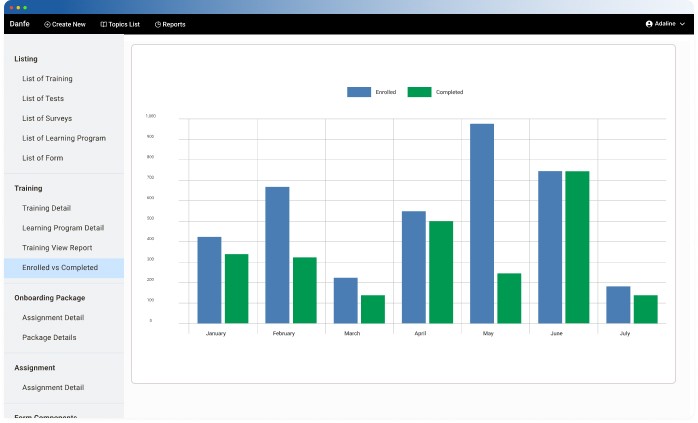
Data-driven onboarding allows for the tracking of key metrics that highlight efficiency in the onboarding process. This provides HR teams with actual numbers to identify areas needing improvement. For example, they will have the ability to measure time-to-productivity, showing how quickly a new hire becomes fully productive. They can also solicit feedback about how satisfying the onboarding experience is, helping to zero in on areas requiring refinement.
Common Onboarding KPIs:
- Time-to-Productivity: The time taken before new hires become fully productive employees.
- New Hire Satisfaction: Captures first-hand feedback on the onboarding experience.
- Early Turnover Rates: Gives the potential red flags in the onboarding process.
With that data, HR teams can make adjustments to ensure the process meets both new hires’ and company expectations.
 Data Driven Employee Onboarding
The Role of Digital Onboarding Platforms in Data Driven Employee Onboarding
The other major component is digital onboarding tools. They centralize all activities involved in onboarding, from paperwork and policy signing to virtual training and self-paced learning modules. They also allow for functionalities such as tracking the progress of new hires easily and automating tasks like document submission and compliance tracking.
Benefits of Digital Onboarding:
Efficiency: Automates routine tasks to free up HR for relationship building.
Flexibility: New hires can access resources at their own pace.
Consistency: Ensure that all new hires receive the same high-quality onboarding experience.
Combining digital platforms with data analytics allows HR professionals to create an onboarding process that is efficient and filled with insight.
Data-Driven Insights Improve Retention and Reduce Costs
High turnover rates are costly for companies. Several industry studies have found that companies with effective onboarding programs see improvements in employee retention. The data-driven onboarding optimizes the process by recognizing and addressing possible issues at an early stage, thus helping reduce turnover and improving new hire retention.
Cost-Saving Features:
Reduced Rehiring Costs: Lower turnover means companies spend less on hiring and training.
Enhanced Productivity: Effective onboarding gets employees productive sooner, contributing to growth.
Lean Training: Identify necessary skills, apply Lean Process Management principles, and utilize data to eliminate non-value-added training costs.
It will help the business to optimize the onboarding process and analyze retention patterns, and attrition rates for saving time and resources.
Predictive Analytics for Continuous Improvement
Predictive analytics will enable onboarding to anticipate challenges and optimize processes for future hires. Construct predictive models from past data: onboarding timeframes, skill gaps, and productivity rates. For instance, if it comes out from the data that new employees from some particular backgrounds excel with specific training materials, HR would prioritize such materials for similar new hires in order to improve success rates.
Key Takeaways
Data-driven employee onboarding gives HR and managers a clear, measurable way to optimize new hire experiences. Use data to personalize the onboarding experience, measure its impact, and address issues before they become problems to create a seamless onboarding experience that sets employees up for success. That experience is only enriched by the combination of digital with insights from data-driven decision-making, transforming onboarding into a strategic asset within the organization.
This will be a step toward a wiser and more agile onboarding process for HR professionals and managers to enhance employee satisfaction, reduce costs, and assure long-term success. Through data-driven onboarding, the organization can give the new employee his first day of work, feeling valued, empowered, and prepared to contribute.


